
The Anti-Glycation Guide to Protecting Your Collagen
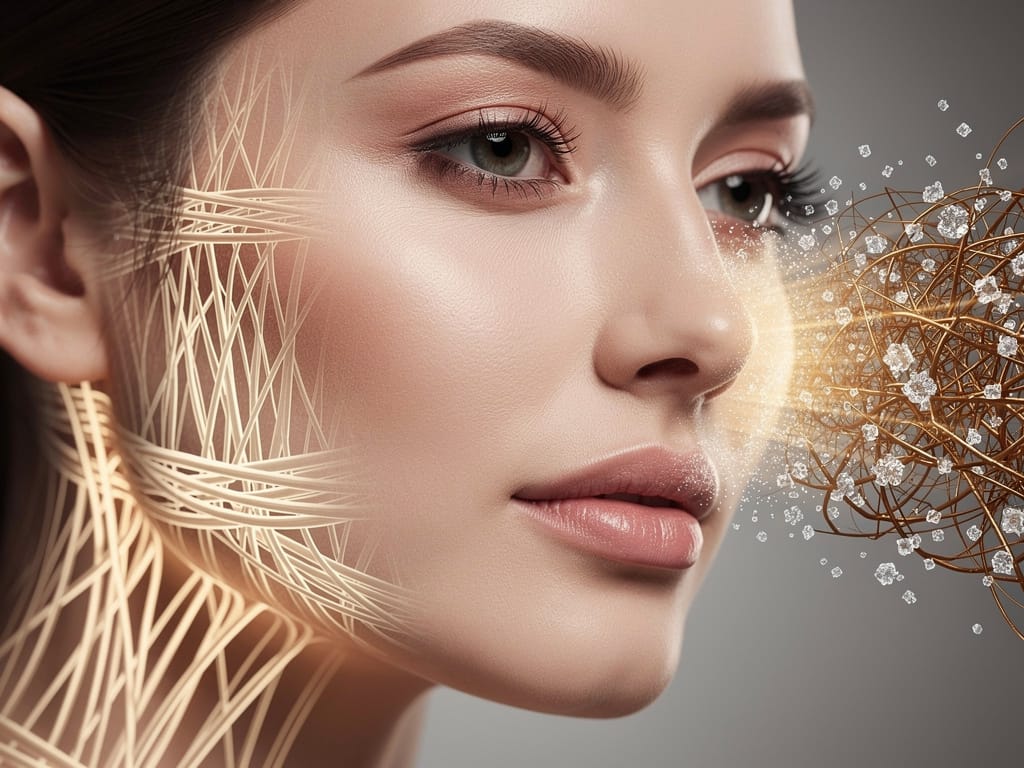
The spoon makes a satisfying *crack* as it breaks through the caramelized sugar ceiling. Beneath lies the silkiest, creamiest vanilla custard. That perfect crème brûlée moment-the contrast of brittle, sweet glass and cool, soft cream-is pure bliss.
But what if I told you that same chemical reaction, the one that turns sugar into a delicious, browned crust, is happening inside your body right now?
And it’s targeting the very foundation of your skin: your collagen.
This process is called glycation. And understanding it is the secret to protecting your skin’s youthful bounce and radiance for years to come.
The Sweet Betrayal: What Is Glycation?
Let’s break it down. When you eat, sugar enters your bloodstream. That sugar, a restless little molecule, zips around looking for proteins and fats to latch onto.
Your collagen and elastin-the proteins that give your skin its structure, firmness, and elasticity-are prime targets.
When a sugar molecule attaches to a collagen fiber, it triggers a cascade of reactions that forms a new, harmful molecule called an Advanced Glycation End-product, or AGE for short.
Think of it like this: fresh, healthy collagen is like a bundle of springy, flexible ropes. AGEs are like sticky, hard caramel being poured all over them, making them rigid, weak, and discolored.
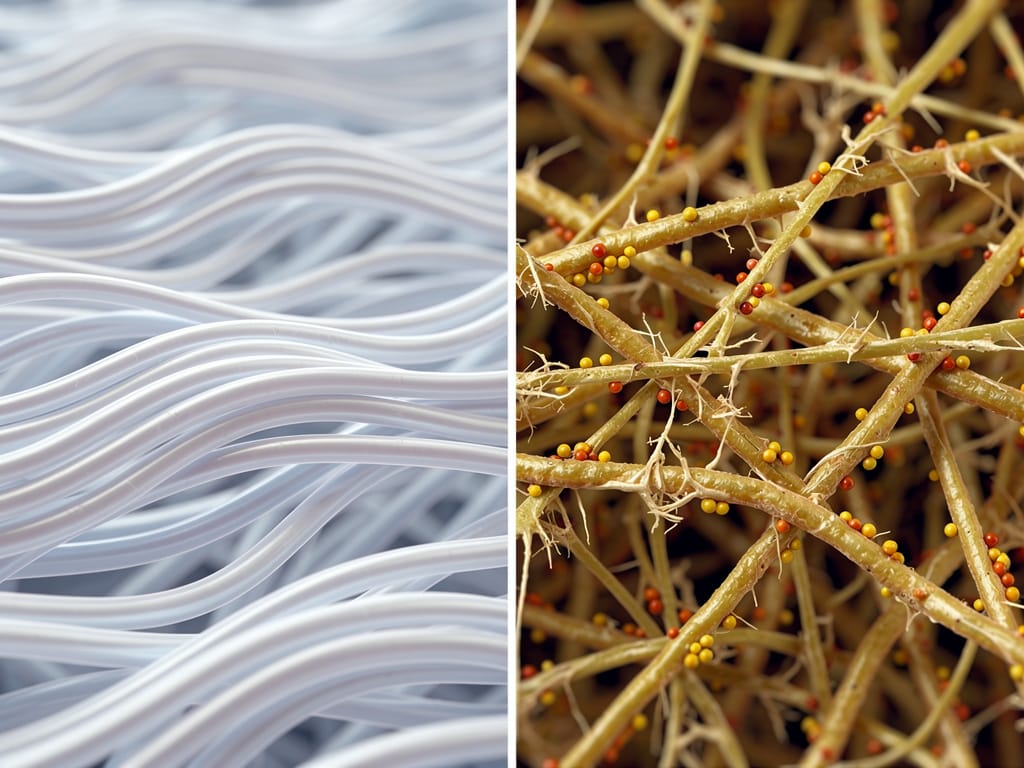
How AGEs Wage War on Your Skin
These little troublemakers don't just sit there. They actively sabotage your skin's integrity from the inside out.
Here's the truth about what they do:
- They Make Collagen Brittle: Glycated collagen loses its flexibility. This leads directly to fine lines, deep wrinkles, and sagging skin that has lost its 'snap'.
- They Block New Collagen: AGEs create an environment that actually slows down the production of new, healthy collagen, accelerating the aging process.
- They Generate Free Radicals: The glycation process itself creates oxidative stress, kicking off another wave of damage to your skin cells.
- They Cause Discoloration: That browning reaction we see in food? AGEs can give the skin a sallow, yellowish, or dull tone over time.
It sounds grim, I know. But here's the good news.
You have an incredible amount of control over this process. You can absolutely put the brakes on glycation.
Your Anti-Glycation Action Plan
Protecting your collagen isn't about declaring war on all sugar forever. It's about being smart, strategic, and consistent. It's about building a defense system that works for your life.
Step 1: Tame Your Sugar Intake
This is the most direct route. Less sugar in your bloodstream means fewer opportunities for glycation to occur. Focus on minimizing the obvious culprits like sodas, desserts, and candy. But also be a detective for hidden sugars in things like salad dressings, pasta sauces, and processed foods.
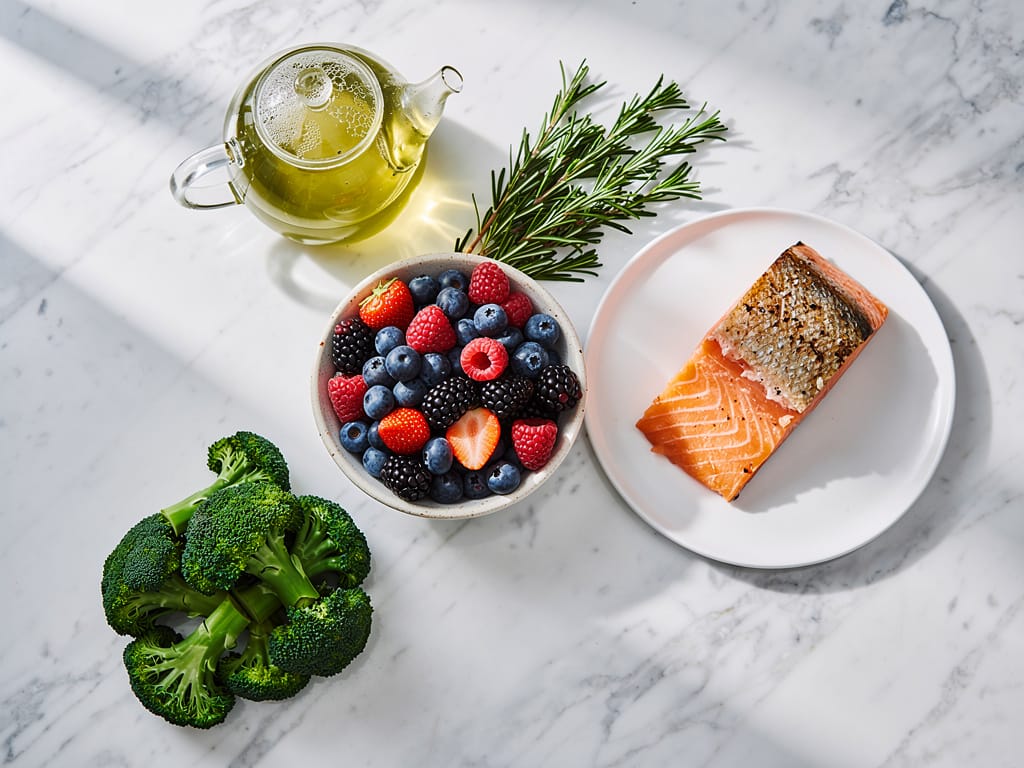
Crowd them out with whole, fiber-rich foods like leafy greens, berries, and quality proteins. These foods stabilize your blood sugar and keep those rogue sugar molecules in check.
Step 2: Cook with Care
How you cook matters. A lot.
High, dry-heat cooking methods-like grilling, frying, and roasting-dramatically increase the formation of AGEs in your food before you even take a bite. That char on your steak? It’s loaded with AGEs.
Try shifting toward lower-temperature, higher-moisture cooking methods more often:
- Steaming
- Poaching
- Stewing
- Braising
Here's a pro tip: Marinating meats in acidic ingredients like lemon juice or vinegar before cooking can cut AGE formation by up to 50%!
Step 3: Build Your Anti-Glycation Arsenal
Certain nutrients and plant compounds are superstars at fighting glycation. Think of them as your collagen's personal bodyguards.
Incorporate these into your diet:
- Green Tea: The catechin EGCG is a well-studied glycation inhibitor. A daily cup is a simple, powerful habit.
- Cinnamon & Cloves: These spices aren't just for flavor; they contain compounds that help interfere with AGE formation. Sprinkle cinnamon in your coffee or on your oatmeal.
- Rosemary & Thyme: Rich in antioxidants like carnosic acid, these herbs can help protect your proteins from sugar damage.
- Benfotiamine & Carnosine: These are specific nutrients (a form of vitamin B1 and an amino acid, respectively) known for their potent anti-glycation effects. They can be found in food and are also available as supplements.
Protecting your collagen isn't about fighting age. It's about consciously creating a body where your skin can thrive, regenerate, and reflect the vibrant health you're building from within.
By taming sugar, cooking smarter, and leaning on powerful nutritional allies, you can protect your most precious protein. You can choose a future of firm, radiant, and truly healthy skin-at any age.