Red Light Therapy Timing Changes Everything After Midlife
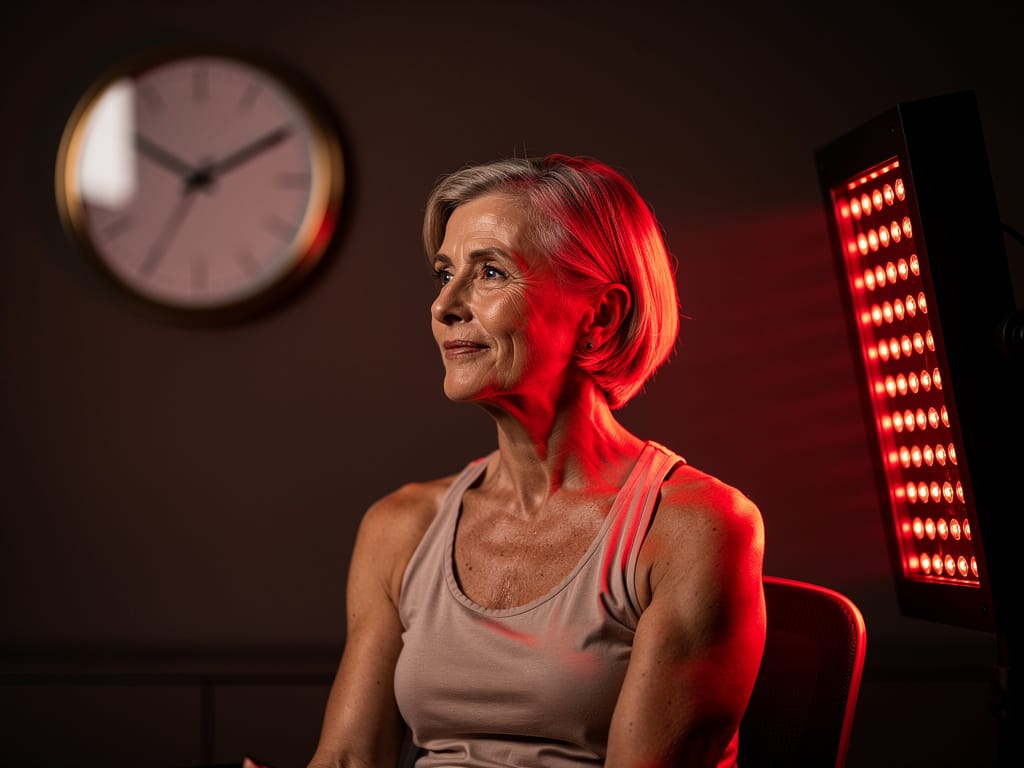
You've got your red light panel. You're using it consistently. And yet something feels... off. Maybe the results are slower than you expected. Maybe your sleep hasn't improved the way everyone promised it would.
Here's the thing nobody talks about: when you use red light therapy matters just as much as whether you use it at all. And after 35, that timing piece becomes a whole different conversation.
Your Biology Isn't the Same as It Was at 25
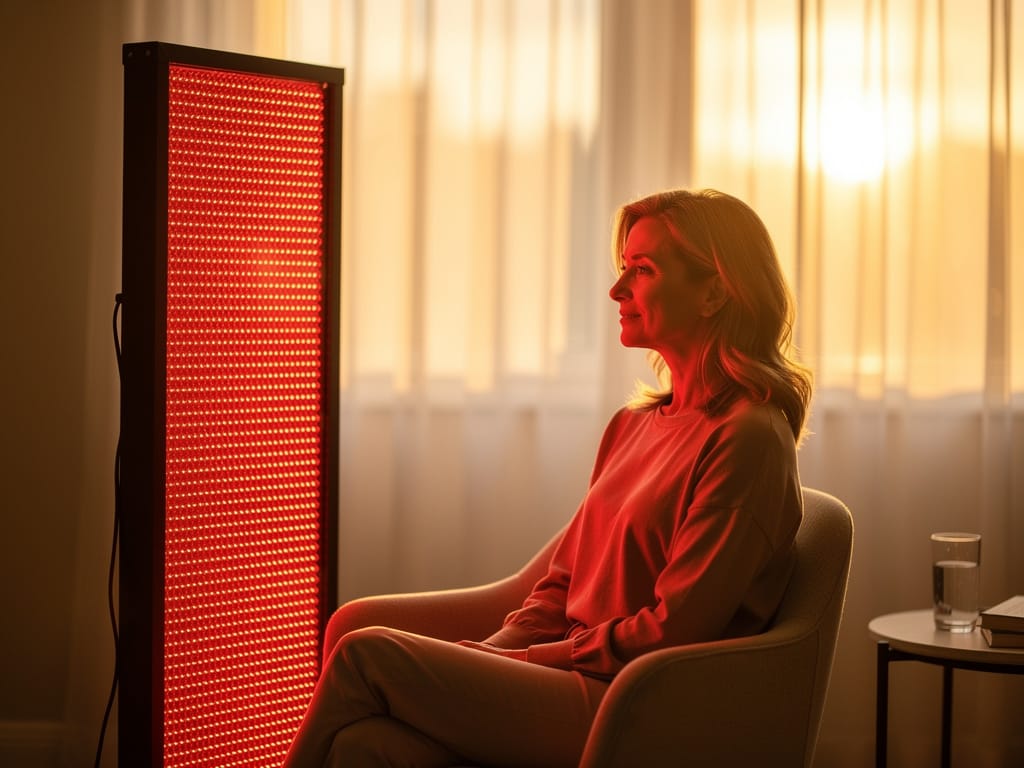
Let's be honest about what's actually happening inside your body after midlife.
Your circadian rhythm - that internal 24-hour clock that governs everything from cortisol to collagen repair - starts to shift. Estrogen and progesterone, which used to help anchor your sleep-wake cycles, are fluctuating or declining. Melatonin production drops. Your mitochondria, the tiny energy factories in every cell, become less efficient at converting light into cellular energy.
The result? Your body is more sensitive to light signals than ever before. Which means red light therapy, used at the wrong time, can either work beautifully for you - or quietly work against you.
Morning Red Light: The Case for Starting Your Day With It
Here's what happens when you step in front of your panel first thing in the morning.
Red and near-infrared wavelengths signal your mitochondria to ramp up ATP production - that's cellular energy. They also help anchor your cortisol awakening response, the natural spike in cortisol that's supposed to happen within 30-45 minutes of waking up. That spike isn't bad. It's what gives you mental clarity, motivation, and metabolic momentum for the day.
After 35, that cortisol awakening response often gets blunted. Morning red light can help restore it.
There's also the collagen angle. Your skin does most of its repair work overnight, and your fibroblasts - the cells that produce collagen - are primed and ready in the early hours. A morning session can essentially fuel that repair process right when your skin is most receptive to it.
Best for: Women dealing with morning fatigue, brain fog, low mood, or sluggish metabolism. If you're in perimenopause and your mornings feel like you're wading through mud, start here.
Evening Red Light: When It Makes More Sense
Now, not everyone's schedule allows for a morning session. And honestly, for some women, evening is actually the smarter choice.
Here's why: red light (especially in the 630-670nm range) does not suppress melatonin the way blue light does. In fact, some research suggests it may gently support melatonin production in the evening. For women in perimenopause or postmenopause who are battling insomnia or restless sleep, an evening session 60-90 minutes before bed can be genuinely calming.
It also works beautifully for muscle recovery and inflammation. If you've done a strength training session in the late afternoon - which, by the way, is one of the best things you can do for your hormones after 35 - an evening red light session helps clear out inflammatory byproducts and speeds tissue repair overnight.
Best for: Women with sleep disruption, evening stress, post-workout recovery needs, or anyone who simply can't make mornings work logistically.
The One Timing Window You Should Avoid
This one surprises people.
Right before bed - within 30 minutes of sleep - isn't ideal. Even though red light doesn't spike cortisol the way blue light does, the photobiomodulation process is still stimulating at a cellular level. Some women find it leaves them feeling slightly wired, which is the last thing you need when you're already navigating midlife sleep challenges.
Give yourself that buffer. Think of it like a warm bath - wonderful for sleep prep, but not something you do literally as you're climbing under the covers.
What About Session Length and Frequency?
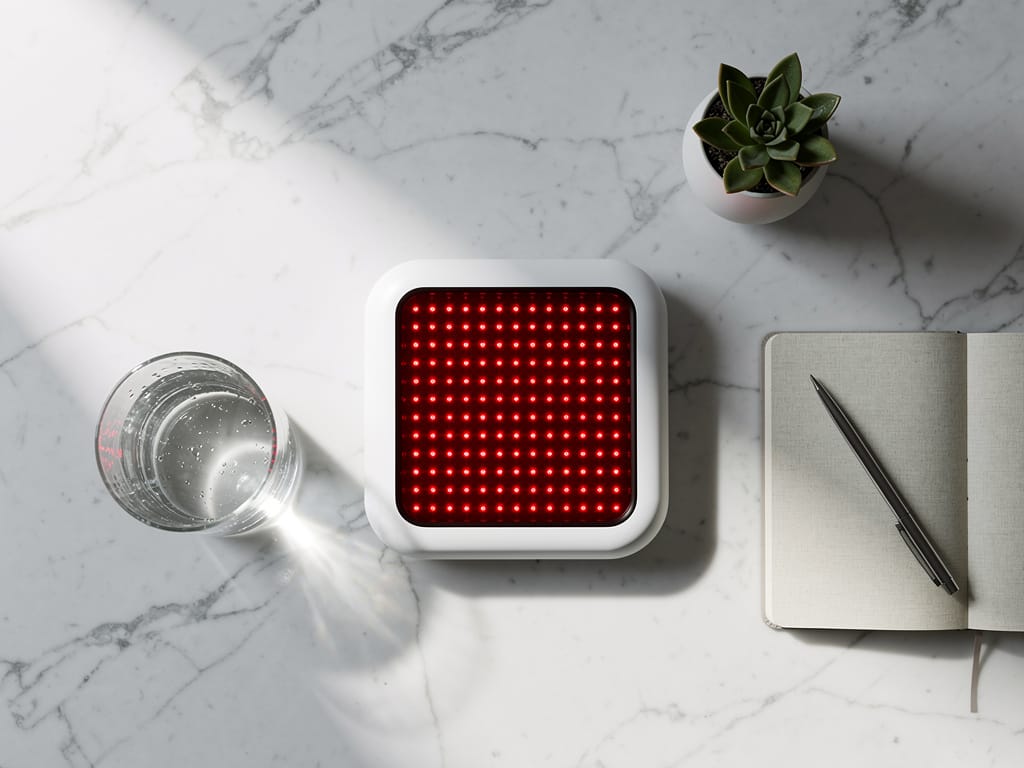
After midlife, less is sometimes more. Your cells are more responsive to light stimulation, which sounds great - and it is - but it also means overdoing it can tip into a stress response rather than a healing one.
A solid starting point looks like this:
- Duration: 10-15 minutes per session (not 30+)
- Distance: 6-12 inches from the panel for most devices
- Frequency: 4-5 times per week, not necessarily every single day
- Consistency over intensity: Three months of regular use beats two weeks of daily overdoing it
If you're new to red light therapy or coming back after a break, start at the lower end and build up. Your mitochondria need time to adapt, especially if they've been running on empty for a while.
The Bottom Line on Timing
There's no single perfect answer that works for every woman. But there is a framework that makes sense once you understand what your body is actually doing after midlife.
Morning sessions support energy, cortisol rhythm, and collagen repair. Evening sessions support recovery, inflammation, and sleep quality. The middle of the afternoon? Totally fine too, especially for skin-focused goals.
What matters most is that you're consistent, intentional, and paying attention to how your body responds. That's the whole game with biohacking after 35 - you're not following a generic protocol anymore. You're learning your own biology.
And honestly? That's where it gets really interesting.