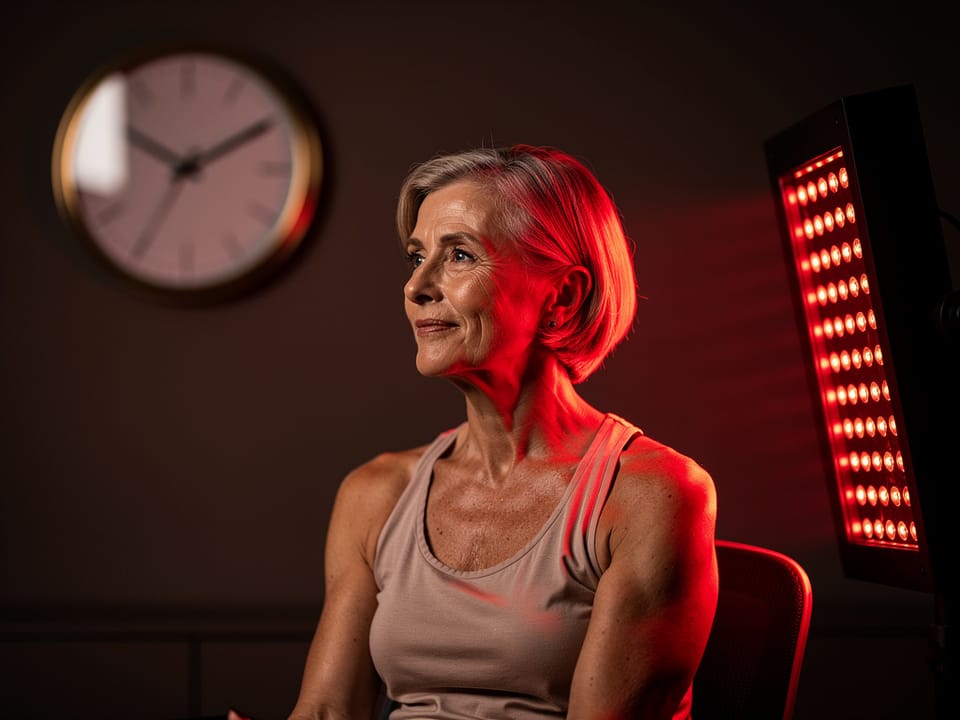
Lighting Up the Lanterns: How Red Light Therapy Fuels Your Cells After 35
We often talk about aging as something that happens to our skin, but the truth is that aging starts much deeper. It starts in the mitochondria, those tiny power plants inside your cells. If you have been feeling that midday slump or noticing that your skin doesn't "bounce back" quite like it used to, you are likely experiencing a dip in cellular energy. This is where biohacking becomes less of a tech term and more of a vital daily practice. Enter Red Light Therapy (RLT).
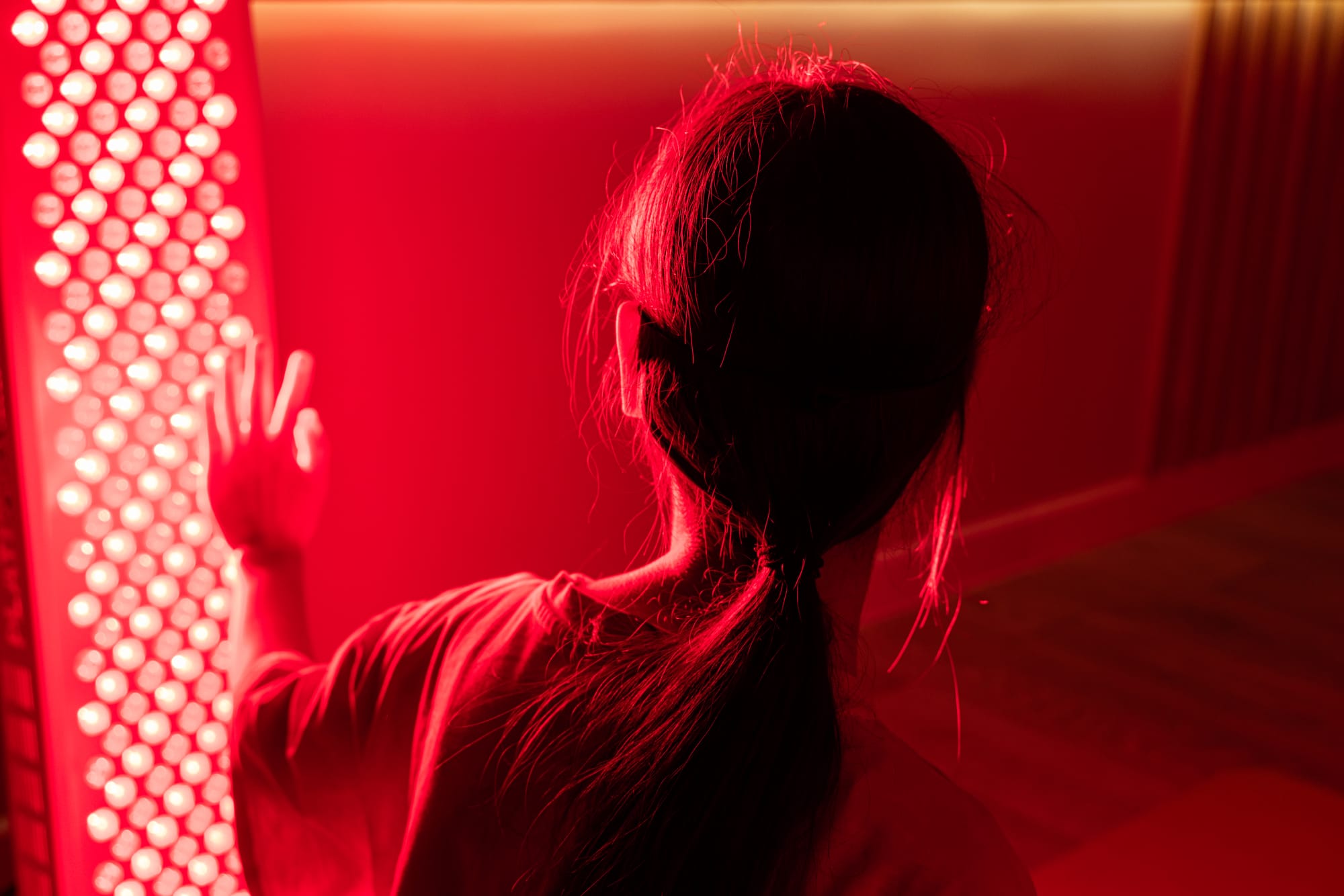
I remember the first time I stood in front of a high powered red light panel. I felt a bit skeptical. It seemed too simple to be effective. However, after consistent use, the shift in my energy levels and skin density was undeniable. This is not about a temporary glow from a facial. This is about photobiomodulation, a process where specific wavelengths of light literally "recharge" your cellular batteries.
The Science of the Glow
When we hit 35 and beyond, our mitochondria can become a bit sluggish. They produce less ATP, which is the currency of energy our body uses to repair tissue, produce collagen, and maintain vital functions. Red and near infrared light work by penetrating the skin and hitting a photoreceptor called cytochrome c oxidase.
Think of it like photosynthesis for humans. This interaction kickstarts the production of ATP. When your cells have more energy, they perform their jobs better. Your fibroblasts produce more collagen. Your inflammatory markers go down. Your recovery time after a workout or a stressful day at the office decreases. It is a fundamental shift in how your body operates on a systemic level.
How to Make It Actionable
If you are ready to bring this into your routine, you need to do it correctly to see results. Not all lights are created equal, and intensity matters just as much as consistency. Here is how to build your protocol.
- Target the Right Wavelengths: Look for a device that offers a combination of 660nm (red light) and 850nm (near infrared light). The 660nm range is excellent for skin health and surface level healing, while the 850nm range penetrates deeper into the muscles and joints. This dual approach ensures you are treating both the "beauty" and the "bio" aspects of your health.
- Distance and Timing: For skin benefits, you generally want to be about 6 to 12 inches away from your panel. For deeper tissue work, you can move closer. Start with 10 minutes per session, three to five times a week. More is not always better. You are looking for that "Goldilocks" zone of stimulation without overtaxing the system.
- Stacked Habits: The best way to ensure you actually do this is to stack it with an existing habit. I keep my panel near my meditation cushion. While I spend ten minutes centering my mind, I am also fueling my cells. It becomes a non negotiable part of the morning ritual rather than another chore on the to do list.
The Long Term Strategy
We are playing the long game here. Red light therapy is a cumulative hack. You might notice a mood boost after one session, but the real structural changes to your skin and your metabolic health happen over months of steady use. This is why it is such a perfect fit for our philosophy at Radiant Beyond Age. We are not looking for a quick fix that leaves us back at square one a week later. We are building a foundation of resilience.
As you dive deeper into this world, you will find that the benefits extend far beyond just looking rested. Research into how light affects our biological functions shows that we are much more light sensitive than we ever realized. By controlling the light we expose ourselves to, we are taking direct control of our aging process.
What to Look For in a Device
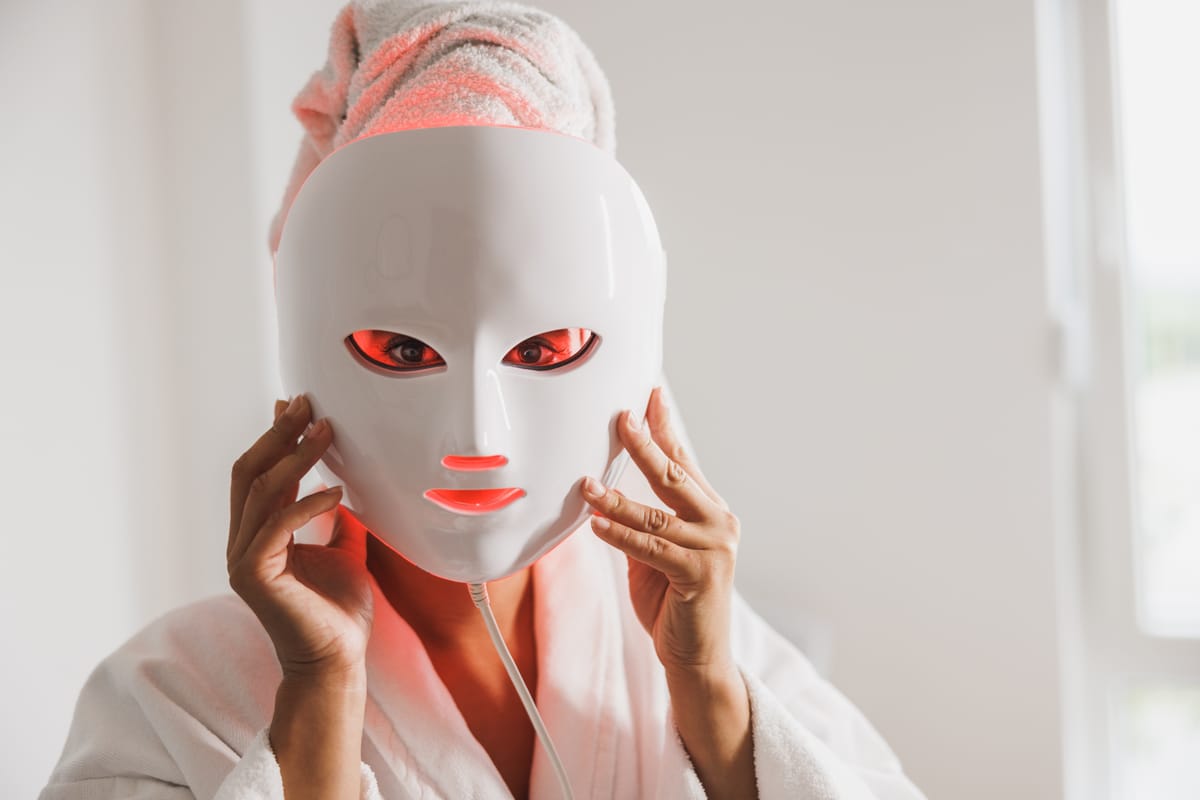
When you start shopping for your home setup, pay attention to the "irradiance." This is the measure of how much power the light is actually delivering to your skin. Many cheap masks on the market don't have enough power to create a real biological change. You want a device that feels sturdy and has clear data on its output. Investing in a high quality panel or a medical grade mask is the difference between a pretty light and a life changing tool.
This is biohacking at its best. It is clean, it is non invasive, and it works with your body's natural rhythms. It is about giving your cells the resources they need to keep you radiant, energetic, and vibrant for decades to come.