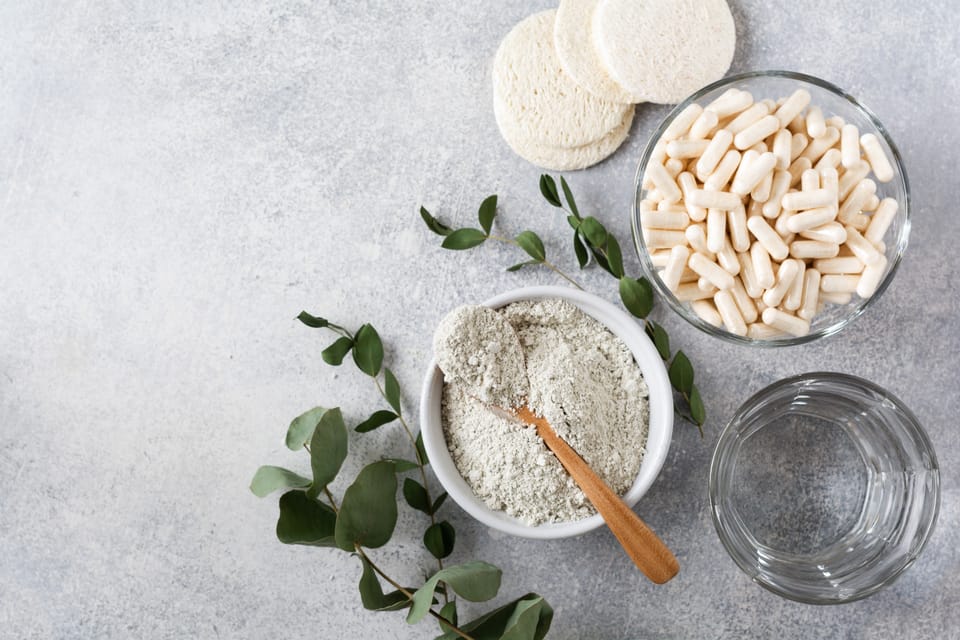
Beyond the Scoop: Why Your Collagen Routine Needs a Structural Upgrade

If you have spent any time in the wellness space lately, you probably have a tub of collagen peptides sitting in your pantry. It has become the "it" supplement for our demographic, promised as the ultimate fix for everything from fine lines to joint clicking. But here is the reality that most marketing campaigns won't tell you: simply swallowing a scoop of powder and hoping for the best is a bit like buying a pile of bricks and expecting a house to build itself.
As we cross the mid-30s threshold, our natural collagen production doesn't just slow down; it becomes less efficient. We are dealing with a double-edged sword where we are producing less while simultaneously breaking down what we have at a faster rate due to environmental stressors and metabolic shifts. If we want to stay radiant for the next thirty or forty years, we have to stop treating collagen like a "plug and play" solution and start treating it like a complex biological project.
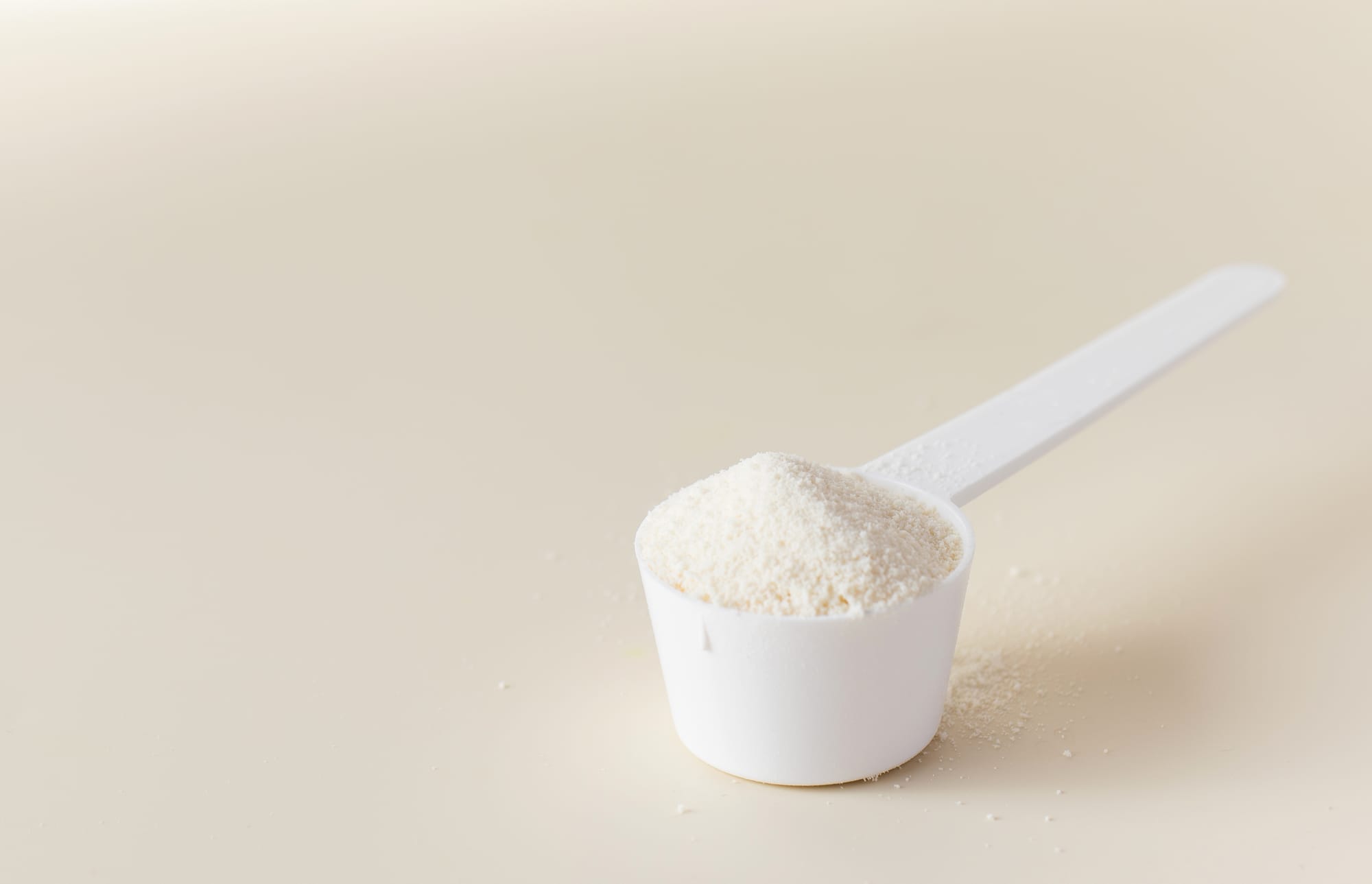
The Bioavailability Gap
The most common mistake I see is the "bone broth or bust" mentality. Don't get me wrong, a long-simmered bone broth is a nutritional powerhouse, but it is not a targeted collagen strategy. The collagen molecules in food are often too large for our bodies to break down and utilize effectively for skin remodeling. This is why high quality, hydrolyzed peptides are so popular. They are pre-broken down into smaller chains that our system can actually recognize and put to work.
However, even the best peptides are useless if your internal environment isn't primed for synthesis. To turn those amino acids into the firm, bouncy scaffolding of your skin and fascia, your body requires specific "construction workers." Without these co-factors, you are essentially flushing your expensive supplements down the drain.
The Essential Construction Crew
If you want to see a real change in your skin elasticity and hair density, you need to focus on these three pillars of collagen support.
- Vitamin C is Non-Negotiable: You cannot create collagen without Vitamin C. It is the primary catalyst for the hydroxylation of proline and lysine, which are the building blocks of the collagen triple helix. If your levels are low, your body simply cannot "knit" those fibers together. I always recommend pairing your morning collagen with a squeeze of fresh lemon or a side of kiwi to ensure the machinery is turned on.
- Copper and Zinc Balance: These trace minerals are the unsung heroes of the longevity world. Zinc is vital for cell repair and DNA synthesis, while copper is a key component of lysyl oxidase, an enzyme that cross-links collagen and elastin. This cross-linking is what gives your skin that "snap back" quality.
- The Glycation Guard: This is the "biohacker" secret that most beauty blogs skip. Glycation happens when excess sugar molecules attach to collagen fibers, making them brittle, yellow, and prone to snapping. This is why a high-sugar diet leads to premature sagging. Protecting your collagen means managing your blood sugar spikes just as much as it means taking your supplements.

Actionable Steps for Your Longevity Kitchen
Let’s get practical. To make your nutrition work for your future self, try these three shifts starting tomorrow morning.
- The Power Pairing: Never take your collagen on an empty stomach with just water. Mix your peptides into a smoothie that contains healthy fats and a Vitamin C source. The fats help with the absorption of other fat-soluble nutrients that support skin health, like Vitamin E.
- Amino Acid Diversity: Collagen is high in glycine and proline, but it is not a complete protein. For total body longevity, you need a full spectrum of amino acids. Make sure you are getting enough high-quality protein from diverse sources like wild-caught fish or grass-fed collagen-rich cuts of meat.
- Watch the Heat: If you are adding collagen to your coffee, make sure it isn't boiling. While most high-quality peptides are heat-stable to a point, extreme temperatures can occasionally compromise the delicate peptide chains. Aim for "drinkable" warmth rather than scalding.

The Long-Term Vision
We aren't just eating for today's glow; we are eating for the integrity of our joints and skin in 2050. When you understand the mechanisms of collagen degradation, you realize that protection is just as important as supplementation. By reducing oxidative stress and providing the right raw materials, you are essentially telling your body that it is okay to keep building, keep repairing, and keep staying resilient.
Nutrition is the ultimate long game. It is the daily, quiet work that pays off in the way your face holds its shape and the way your body moves through the world. Don't just follow the trend; understand the science of your own vitality.